
Travel Planning · 10 min read
Da Nang SIM Card and eSIM Guide for Travelers
Should you buy a SIM at Da Nang airport, wait for a city store or use an eSIM? Prices, registration rules and setup tips as of late 2026.
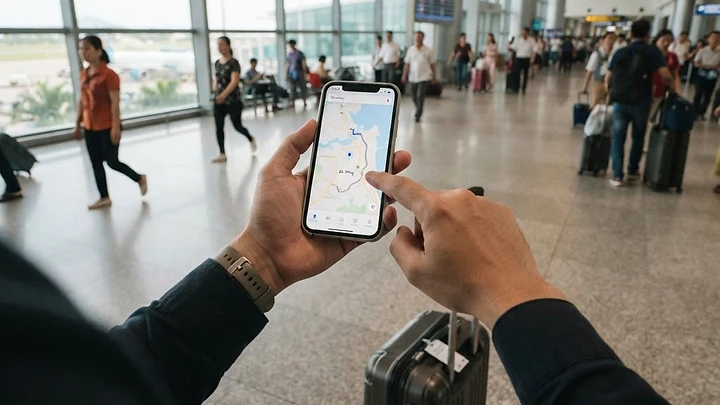
The easiest way to get a Da Nang SIM card is at the mobile carrier counters in the international arrivals area of Da Nang International Airport, where staff register it to your passport and set it up in about 5 to 10 minutes. As of late 2026, airport tourist packages usually cost around 200,000 to 350,000 VND, while city stores often sell similar data plans for less. If your phone supports it, an eSIM bought before you fly is a good alternative, though data-only eSIMs do not come with a Vietnamese phone number.
Why does this matter? A working Da Nang SIM card or eSIM turns your phone into your map, your taxi app, your translator and your food delivery menu in Da Nang. Getting connected the right way on day one saves you money, keeps you safe, and avoids the frustration of a SIM that stops working halfway through your trip.
Key Takeaways
- Vietnam's three big carriers are Viettel, Vinaphone and Mobifone. All work well in Da Nang, with fast 4G and 5G in the city.
- Airport SIM counters are convenient but usually charge more than city stores. As of late 2026, expect roughly 200,000 to 350,000 VND for a tourist package at the airport.
- Every physical SIM must be registered to your original passport, with a photo. If nobody asks for your passport, do not buy it.
- An eSIM is the simplest choice if your phone supports it and you only need data.
- Your phone must be unlocked to use a Vietnamese SIM or a third-party eSIM.
- Keep your Vietnamese SIM in the same phone you registered it on, because device changes can trigger extra verification under 2026 rules.
SIM Card or eSIM: Which Is Right for You?
Both options work well in Da Nang. The right choice depends on your phone, how long you are staying and whether you need a local number.
Choose a physical SIM if
- You want a Vietnamese phone number for calls, SMS codes or booking restaurants and spas.
- You are staying several weeks or longer and want the cheapest data.
- Your phone does not support eSIM.
- You plan to sign up for local apps or services that send codes to a Vietnamese number.
Choose an eSIM if
- Your phone supports eSIM and is unlocked.
- You want to land already connected, with no queue.
- You only need data for maps, messaging, Grab and social media.
- You are on a short trip and value convenience over the lowest price.
Many travelers use both: they keep their home SIM active for bank codes and add a travel eSIM or local SIM for data. Modern phones can hold two lines at once, so check your phone's settings before you travel.
Vietnam's Mobile Carriers: Viettel, Vinaphone and Mobifone
Three main carriers cover almost the whole country. In Da Nang city and nearby day trip spots, all three give good service.
Viettel
Viettel is the largest carrier and is widely known for strong coverage, including in rural and mountain areas. If your trip includes the Hai Van Pass, remote beaches or mountain trips beyond Da Nang, Viettel is a safe choice. Viettel has counters and stores in the city, and travelers commonly look for a Viettel SIM at Da Nang airport.
Vinaphone
Vinaphone, run by VNPT, has strong coverage in cities and sells tourist SIM packages with daily data allowances. Some tourist plans cannot be extended once they expire, so check the validity before you buy if you are staying longer than two weeks.
Mobifone
Mobifone often offers good-value data packages and works well in Da Nang. In 2025 it partnered on a promotion that gave free eSIMs to international arrivals at Da Nang airport. Promotions like this come and go, so ask at the counter or check official channels when you land.
For most visitors who stay in Da Nang, Hoi An and the usual day trips, the carrier matters less than the package. Pick based on price, data amount and validity.
Buying a Da Nang SIM Card at the Airport
The airport is the most convenient place to buy a SIM, especially if you land late or need data immediately for a ride.
Where to find the counters
Carrier counters are usually just after baggage claim and customs in the international arrivals area. You will see the logos of the major carriers and sometimes travel agencies selling SIM packages too.
What it costs
As of late 2026, airport tourist packages typically cost around 200,000 to 350,000 VND (roughly 8 to 13 US dollars), depending on the carrier, data amount and validity. Many plans run for about 15 to 30 days, with generous daily or total data. Airport prices are often higher than city stores, so think of the extra as a convenience fee. Confirm the exact price and package at the counter, because plans change often.
Step by step at the counter
- Have your original passport ready. Photocopies and phone photos are usually not accepted.
- Tell the staff how many days you are staying and how much data you need.
- Let them scan your passport and take a quick photo of you. This is the legal registration.
- Hand over your unlocked phone so they can insert and activate the SIM.
- Test it before you leave: open a map, load a website and send a message.
- Keep your original SIM card in a safe place, ideally in its holder or in a small bag.
Pay in VND if possible. There are ATMs and exchange counters in the arrivals area if you need cash first. Our money guide for Da Nang explains which option gives the better rate.
Tip: if nobody asks for your passport, walk away. An unregistered SIM may be blocked within days.
Buying a SIM Card in Da Nang City
If you can manage your first hour on hotel or airport Wi-Fi, buying your Da Nang SIM card in the city can save money.
Where to buy
Official carrier stores for Viettel, Vinaphone and Mobifone are spread across the city, especially in Hai Chau and along main roads. Many phone shops also sell SIMs, but official stores are the safest choice for correct registration.
What it costs
As of late 2026, city stores often sell 30-day data packages from around 150,000 to 200,000 VND, and regular prepaid plans can be even cheaper for heavy data users. Exact plans and prices change frequently, so ask staff to show you current options.
What to bring
- Your original passport
- Your unlocked phone
- Cash in VND or a card, depending on the store
Staff may speak limited English. A translation app on Wi-Fi, or simply writing the number of days and gigabytes you want, works well.
How eSIMs Work in Vietnam
An eSIM is a digital SIM you download to your phone with a QR code or an app. No plastic card, no queue.
Types of eSIM
- International travel eSIMs from global providers. You buy them online before you fly, install them at home and switch them on when you land. As of late 2026, many short data plans for Vietnam cost roughly 6 to 20 US dollars, depending on data and duration. They are usually data-only, with no Vietnamese phone number.
- Local carrier eSIMs sold through official carrier channels or partners. Some come with a local number and may need passport registration, similar to a physical SIM.
Pros and cons
eSIMs are fast and convenient, and you keep your home SIM in place. The downside is cost per gigabyte, which is usually higher than a local physical SIM, and the lack of a local number on data-only plans. Some local apps and services send verification codes by SMS, so a data-only eSIM will not receive them.
Setting up an eSIM
- Check that your phone supports eSIM and is unlocked.
- Buy your plan from a trusted provider before you leave home.
- Install it on Wi-Fi, but do not turn it on until you land.
- On arrival, set the eSIM as your mobile data line and turn on data roaming if the provider asks.
- Keep your home SIM on for calls and texts, or switch it off to avoid roaming charges.
Registration Rules and the 2026 Device Change Rule
Vietnam takes SIM registration seriously. Knowing the rules keeps your line working for your whole trip.
Passport registration
All physical SIMs must be registered to the owner's identity. For travelers, that means your original passport, plus a photo taken at the counter. SIMs sold without registration may be blocked quickly.
Device change verification
As of April 2026, Vietnam began requiring mobile subscribers to re-verify their identity with face checks when they move a SIM to a different phone. If verification is not completed, outgoing calls and texts can be suspended, followed by wider restrictions later. Rules for foreign visitors may be applied differently, and details can change, so the simple advice is this: register the SIM in the phone you will use, and keep it there. If you must change phones, visit an official carrier store with your passport.
Rules change often in Vietnam's telecom sector. Ask the carrier staff about current requirements when you buy.
Data, Coverage and Apps You Will Use
Da Nang has fast mobile data. 5G is available in parts of major cities, and 4G covers the city, the beaches and the main roads to Hoi An and Ba Na Hills well.
How much data do you need?
- Light use (maps, messages, Grab): about 1 GB per day is plenty.
- Medium use (social media, photos, some video): 2 to 3 GB per day.
- Heavy use (video calls, streaming, remote work): consider a large or unlimited style package.
Apps worth installing
- Grab for rides and food delivery. Our food delivery apps guide explains how to order as a foreigner.
- Google Maps or another map app, with an offline map of Da Nang saved.
- A translation app with Vietnamese downloaded for offline use.
- Zalo, the messaging app many Vietnamese businesses use for bookings.
- WhatsApp or your usual messenger for home contacts.
Our practical resources page lists more useful apps, coworking spots and emergency contacts for Da Nang.
Coverage on day trips
Coverage is usually good in Hoi An, around the Marble Mountains and on the Son Tra Peninsula. It can drop in parts of the Hai Van Pass, on boats to the Cham Islands and in remote mountain areas. Download offline maps before you go.
Topping Up and Extending Your Plan
If your data runs out or your plan is about to expire, you have several options.
- Carrier store: the easiest way. Bring your passport and phone, and staff will add a package.
- Top-up cards: sold at convenience stores and phone shops. You scratch the card and enter the code.
- Carrier apps and SMS codes: each carrier has its own app and short codes for buying packages, but menus may be in Vietnamese.
- Hotel help: reception staff can often help you top up if you are stuck.
Note that some tourist packages cannot be renewed after they end. If you are staying longer than your package, ask before you buy whether it can be extended or if a regular prepaid plan is better.
Common SIM Card Mistakes to Avoid
- Bringing a locked phone. Ask your home carrier to unlock it before your trip.
- Buying from street sellers. Unregistered SIMs can stop working within days.
- Leaving your home SIM on roaming. Turn off data roaming on your home line to avoid surprise bills.
- Losing your home SIM. Tape it to your passport holder or keep it in the SIM pack.
- Moving your Vietnamese SIM between phones. It may trigger extra verification under 2026 rules.
- Ignoring validity. A 15-day plan will not cover a three-week trip.
- Not testing before you leave the counter. Always check data works before walking away.
Get Connected, Then Get Exploring
A working phone makes everything in Da Nang easier, from booking a ride to finding a hidden cafe. Buy a registered SIM at the airport or in the city, or set up an eSIM before you fly, and keep that SIM in the same phone for the whole trip.
Once you are online, start with our first 48 hours guide to plan your opening days, then browse places in the directory to build the rest of your trip.
Quick answers
- Can I buy a Viettel SIM at Da Nang airport?
- Yes. Viettel and other major carriers have counters in the international arrivals area. Bring your original passport, and expect airport prices to be a little higher than city stores.
- How much does a SIM card cost in Da Nang?
- As of late 2026, tourist SIM packages usually cost about 200,000 to 350,000 VND at the airport and often around 150,000 to 200,000 VND for 30-day data packages in city stores. Prices and plans change often, so confirm locally.
- What is the best Vietnam eSIM for tourists?
- The best option is a well-reviewed provider with enough data for your trip and good Vietnam coverage. Most travel eSIMs are data-only, so pick a local SIM instead if you need a Vietnamese number.
- Do I need a passport to buy a SIM card in Vietnam?
- Yes. Physical SIMs must be registered to your original passport, and staff usually take a photo too. If a seller skips this, the SIM may be blocked.
- Which carrier has the best coverage in Da Nang?
- Viettel, Vinaphone and Mobifone all work well in Da Nang city. Viettel is often recommended for the widest coverage if you travel into rural or mountain areas.
- Will my phone work in Vietnam?
- Most modern unlocked smartphones work on Vietnamese networks. Check that your phone is unlocked and, for eSIM, that it supports eSIM.
More on Travel Planning
All Travel Planning articles

Da Nang in November: Weather, Tips and What to Expect
November is Da Nang's wettest month, with heavy rain on up to 28 days and real flood risk. Here is everything you need to plan a smart, flexible trip.


Da Nang Mall Guide: Aeon, Lotte Mart, Vincom and More
Da Nang now has more mall options than ever, from the brand-new Aeon Mall to longtime favorites like Lotte Mart and Vincom Plaza. This guide tells you exactly what each one is best for and how to get there.


40 Best Things to Do in Da Nang: The Complete 2027 Guide
From sunrise swims at My Khe to fire-breathing dragons over the Han River, Da Nang packs an enormous range of experiences into one compact city. This guide covers the 40 best things to do in Da Nang, with prices, timings, and insider tips for every budget.
 Translate
