
Travel Planning · 9 min read
Staying Healthy in Da Nang: Water, Street Food and Sun Safety
Street food in Da Nang is generally safe if you pick busy, hot, cooked-to-order stalls. Here is how to handle water, ice, sun, the sea and minor illness like a local.
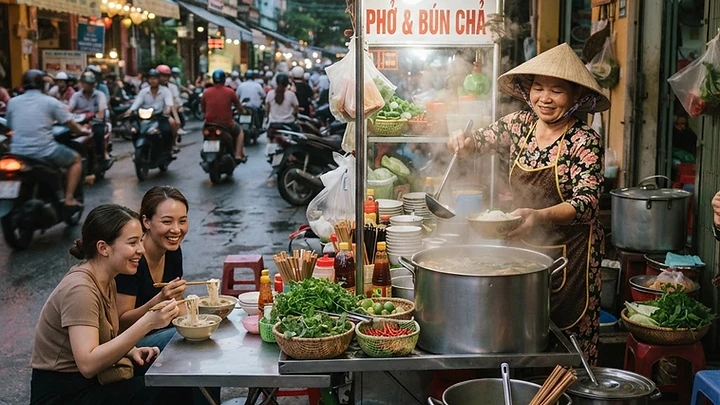
Is street food safe in Da Nang? For most travelers, yes: the city's street food is generally safe when you choose busy stalls where food is cooked fresh and served hot. The bigger health risks for visitors are usually tap water, strong sun, heat, the sea and road traffic, not the noodle soup. With a few simple habits, you can eat everything Da Nang has to offer and stay well.
Why does this matter? Nothing ruins a short trip faster than two days in bed with an upset stomach or a bad sunburn. Most of these problems are avoidable, and the fixes are cheap and easy once you know them. This guide shares what we tell our own friends when they visit.
Key Takeaways
- Street food is generally safe when the stall is busy, the food is cooked to order and served piping hot.
- Do not drink tap water straight from the tap. Use bottled, filtered or boiled water. Restaurant ice is usually factory-made and widely used.
- The sun is the real danger. UV levels in Da Nang are often very high, especially from late spring through summer. Use sunscreen, shade and water.
- Swim only in guarded areas. Rip currents can be strong on Da Nang beaches, especially in the rainy season.
- Pharmacies are everywhere and international-standard clinics exist in the city. Carry travel insurance that covers medical care.
- Emergency numbers: 115 for ambulance, 113 for police and 114 for fire (as of 2026).
Is Street Food Safe in Da Nang? How to Pick a Good Stall
Da Nang's street food is one of the best reasons to visit. Mi Quang (turmeric noodles), banh xeo (crispy pancakes), bun cha ca (fish cake noodle soup) and fresh seafood are all local favorites. Locals eat at street stalls every day, and the turnover is fast.
The question is not whether street food is safe in general. It is how to choose the right stall. Here is our checklist.
The busy stall test
- Look for a crowd of locals. High turnover means fresh ingredients that do not sit around.
- Watch the cooking. Food cooked in front of you at high heat is the safest choice.
- Check it is served hot. Soups should be steaming. Grilled meat should be cooked through.
- Look at the setup. Clean pots, covered ingredients and a separate person handling money are good signs.
- Go at peak times. Breakfast, lunch and dinner rush hours mean the freshest food.
Foods to be a bit more careful with
- Raw or lightly cooked seafood. Fresh seafood is a Da Nang highlight, but choose busy restaurants where you can see the tanks and the seafood is cooked fully.
- Shellfish in hot weather. Clams, mussels and oysters spoil fastest. Eat them only at popular spots.
- Food that has been sitting out. Pre-cooked dishes on a tray in the heat are higher risk than food cooked to order.
- Raw herbs and salads. Fresh herbs are part of almost every meal. Most travelers eat them without problems, but if you have a sensitive stomach, ease in over the first few days.
- Cut fruit from a cart. Fruit you peel yourself is the safest option.
A gentle start
If you are worried, give your stomach a day or two to adjust. Start with cooked dishes like soups and grilled meat, then try more as you go. Many visitors feel the change in diet more than any real food safety problem.
Can You Drink Tap Water in Da Nang?
The short answer: we do not recommend drinking tap water in Da Nang straight from the tap. The city's water is treated, but pipes and building tanks vary in quality, and locals usually boil or filter their drinking water.
Here is what most visitors and expats do:
- Drink bottled water. It is cheap and sold at every convenience store and corner shop. Many hotels provide free bottles.
- Use a refill station or large jugs. Long-stay visitors often buy big refillable water jugs delivered to their apartment.
- Boil water if you need to. A kettle in your room works fine.
- Brushing teeth with tap water is fine for most people. If you have a very sensitive stomach, use bottled water.
Is the ice safe?
In most restaurants and cafes, ice is made in factories from purified water and delivered daily. The long ice cylinders with a hole in the middle are a good sign of factory ice. Most travelers have ice in drinks without problems. If you want to be extra careful, ask for no ice (khong da) at very small or roadside stalls.
Sun and Heat Safety in Da Nang
This is where we see most visitors get into trouble. Da Nang sits close to the equator, and the sun is strong all year. In the hot months, roughly May to August, daytime temperatures often reach the mid 30s Celsius and UV levels are frequently very high to extreme. Always check a weather app for the daily UV index.
Simple sun rules
- Use broad-spectrum sunscreen with a high SPF and reapply every two hours and after swimming. Sunscreen is sold in supermarkets and pharmacies, but bring your preferred brand if you are picky.
- Avoid the midday sun. From late morning to mid-afternoon, head indoors, nap or sit in a cafe. Locals do the same.
- Cover up. Wear a wide-brim hat, sunglasses and light long sleeves. You will see locals fully covered on motorbikes for this reason.
- Find shade at the beach. Rent an umbrella or go early morning and late afternoon. Sunrise and sunset beach time is when locals swim.
Heat and hydration
Heat exhaustion can creep up on you, especially if you walk a lot or hike at Son Tra or the Marble Mountains. Drink water before you feel thirsty. Pharmacies sell oral rehydration salts, which are useful after a long hot day or a stomach upset.
Warning signs to watch for: dizziness, headache, nausea, heavy sweating or very little sweating with hot skin. Get into the shade, drink water, cool down, and seek medical help if symptoms do not improve quickly.
Beach and Sea Safety
Da Nang's beaches, like My Khe, look calm on many days, but the sea can be stronger than it looks. Rip currents (strong channels of water pulling away from the shore) can form, especially when the waves are bigger.
- Swim where there are lifeguards and flags. Many main beach sections in the city have lifeguard stations during the day.
- Respect red flags and closed beach notices. These are common in the rainy season, roughly September to December, and when storms are near.
- If you get caught in a rip, do not swim straight back against it. Float, stay calm and swim parallel to the shore until you are out of the current.
- Watch for jellyfish at certain times of year. Ask lifeguards or locals if there have been sightings.
- Do not swim after drinking alcohol or at night.
Planning to jet ski, parasail or dive? Read our guide to water sports in Da Nang for safety tips and what to check before you book.
Mosquitoes, Animals and Other Everyday Health Risks
Mosquitoes
Mosquito-borne illnesses, including dengue fever, are present in Vietnam, and risk tends to rise in the rainy season. Use insect repellent, especially at dawn and dusk, and choose rooms with screens or air conditioning. If you develop a high fever during or after your trip, see a doctor and mention where you traveled.
Stray dogs and cats
Do not pet street animals, however friendly they look. Rabies exists in Vietnam. If you are bitten or scratched, wash the wound well with soap and water and see a doctor the same day.
Vaccines before you travel
Talk to a travel clinic or your doctor four to eight weeks before your trip. Health agencies commonly suggest routine vaccines plus others such as hepatitis A and typhoid for Vietnam, but your needs depend on your health, plans and length of stay. We are not doctors, so get advice that fits you.
Air quality
Da Nang's air is generally cleaner than Vietnam's biggest cities, but it can dip on some days. If you have asthma or other breathing problems, check an air quality app and keep your medicine with you.
Road Safety Is a Health Issue Too
It is not glamorous, but traffic is one of the biggest risks for visitors anywhere in Vietnam. Motorbike accidents send many travelers to the clinic every year.
- Cross streets slowly and steadily. Do not run or stop suddenly. Drivers will flow around you.
- Wear a proper helmet on every motorbike ride, including Grab bikes.
- Do not ride a motorbike unless you are experienced and properly licensed. Check what you need in our motorbike rental guide.
- Check your travel insurance. Many policies do not cover motorbike accidents without the right license.
What to Do If You Get Sick in Da Nang
Even careful travelers sometimes get a mild stomach upset. Most cases pass in a day or two.
For mild stomach upsets
- Rest and drink plenty of fluids. Use oral rehydration salts from a pharmacy.
- Eat plain food like rice, rice porridge (chao) and bananas once you feel ready.
- Visit a pharmacy. Look for signs that say "Nha thuoc". Larger chain pharmacies often have staff who speak some English. Show a translation app if needed.
When to see a doctor
See a doctor if you have a high fever, blood in your stool, severe pain, signs of dehydration, symptoms lasting more than two or three days, or if you feel very unwell.
Clinics and hospitals
Da Nang has several private hospitals and clinics used by travelers and expats, including Family Medical Practice Da Nang, Vinmec Da Nang International Hospital and Hoan My Da Nang Hospital. English support varies by staff and shift. As of late 2026, published guides suggest a basic consultation at private international clinics can cost roughly 500,000 to 1,500,000 VND or more, and many facilities ask for payment or a deposit up front. Prices change, so confirm locally.
For serious emergencies, call 115 or take a taxi or Grab directly to the nearest hospital emergency department. Our Resources page lists medical services, emergency contacts and useful apps.
Travel insurance
We strongly recommend travel insurance that covers medical care and medical evacuation. For complex treatment, some travelers are moved to larger hospitals in Ho Chi Minh City, Hanoi or abroad, which can be very expensive without insurance.
A Simple Daily Health Routine for Da Nang
Here is the routine we follow on hot, busy days:
- Morning: Drink a full bottle of water before heading out. Apply sunscreen.
- Breakfast: Try a busy local spot for Mi Quang or banh mi.
- Late morning to mid-afternoon: Indoors, in a cafe, a museum or a spa.
- Late afternoon: Beach time with lifeguards nearby, or a walk along the Han River.
- Evening: Street food or seafood at a busy, popular place. Insect repellent on.
- Before bed: Refill your water bottle and charge your phone with offline maps and your insurance details saved.
Mistakes to Avoid
- Drinking tap water because the hotel tap looks clean.
- Skipping sunscreen on cloudy days. UV still gets through.
- Swimming outside guarded zones or ignoring red flags.
- Eating at empty stalls with food sitting out in the heat.
- Traveling without insurance or with a policy that excludes the activities you plan to do.
- Petting stray animals.
Eat where it is busy and hot, drink bottled water, respect the sun and the sea, and Da Nang is one of the easiest places in Vietnam to stay healthy.
Explore Da Nang With Confidence
Staying healthy in Da Nang comes down to a few easy habits, and once they are second nature, you can relax and enjoy the food, beaches and culture. Browse our Explore page to find well-rated restaurants, cafes and clinics near you, and keep our Resources page handy for emergencies. Have a safe, delicious trip.
Quick answers
- Is street food safe in Da Nang?
- Generally, yes. Choose busy stalls where food is cooked to order and served hot, and be more careful with shellfish and food that has been sitting out.
- Can you drink tap water in Da Nang?
- We do not recommend drinking it straight from the tap. Use bottled, filtered or boiled water, which is cheap and easy to find.
- Is the ice in drinks safe in Da Nang?
- In most restaurants and cafes, ice is factory-made from purified water and is widely consumed. At very small roadside stalls, you can ask for no ice if you want to be cautious.
- What vaccines do I need for Vietnam travel?
- It depends on your health and plans. Talk to a travel clinic four to eight weeks before you go, since recommendations commonly include routine vaccines plus others such as hepatitis A and typhoid.
- What is the emergency number in Vietnam?
- As of 2026, call 115 for an ambulance, 113 for police and 114 for fire. Save your hotel address and insurance details on your phone.
- Are there English-speaking doctors in Da Nang?
- Yes, several private international clinics and hospitals have English-speaking staff, though availability varies. Expect to pay up front and claim back from your travel insurance.
- How do I avoid sunburn in Da Nang?
- Use high-SPF sunscreen, reapply often, cover up and avoid the midday sun. Beach time is best early in the morning and late in the afternoon.
More on Travel Planning
All Travel Planning articles
Da Nang in November: Weather, Tips and What to Expect
November is Da Nang's wettest month, with heavy rain on up to 28 days and real flood risk. Here is everything you need to plan a smart, flexible trip.


Da Nang Mall Guide: Aeon, Lotte Mart, Vincom and More
Da Nang now has more mall options than ever, from the brand-new Aeon Mall to longtime favorites like Lotte Mart and Vincom Plaza. This guide tells you exactly what each one is best for and how to get there.

40 Best Things to Do in Da Nang: The Complete 2027 Guide
From sunrise swims at My Khe to fire-breathing dragons over the Han River, Da Nang packs an enormous range of experiences into one compact city. This guide covers the 40 best things to do in Da Nang, with prices, timings, and insider tips for every budget.