
Living in Da Nang · 11 min read
Pet-Friendly Da Nang: Cafes, Vets and Moving With a Pet
Thinking of bringing your dog or cat to Da Nang? Here is how entry rules, vets, housing, local pet laws and daily life really work, with tips from the ground.
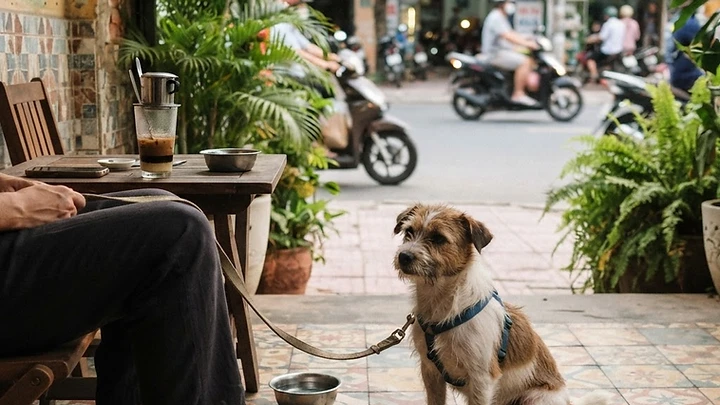
Da Nang is a reasonably pet friendly city for expats, especially for small, calm dogs and indoor cats. Many cafés with outdoor seating and a growing number of landlords accept pets, and there is international-standard vet care in the city. The trade-offs are heat, traffic, limited green space, strict entry paperwork, and new national rules on leashes, muzzles and rabies vaccination that took effect in 2026.
If you are moving here or staying a few months, getting the details right before you fly saves money, stress and, sometimes, your pet's health. This guide covers bringing a dog to Vietnam, finding a vet clinic in Da Nang, housing, local rules and everyday life with a pet.
Key Takeaways
- Pet friendly Da Nang is real, but it looks different from Europe or North America: fewer parks, more cafés and patios, and lots of heat.
- To bring a dog to Vietnam you generally need a rabies vaccine given 30 days to 12 months before entry and a government-endorsed health certificate issued shortly before travel. Da Nang International Airport is listed as an entry point.
- A national decree effective August 1, 2026 sets fines of roughly 1 to 2 million VND for dogs without a muzzle or leash in public and for missing rabies vaccination, according to Tuoi Tre News.
- International-style vet care exists in Da Nang, and local clinics are cheaper but vary in quality and English.
- Always confirm rules with your airline, your home country's export office and Vietnamese authorities, because pet rules change often.
Is Da Nang Pet Friendly? An Honest Look at Pet Friendly Da Nang
Vietnamese attitudes toward pets have changed a lot in recent years. In Da Nang you will see small dogs riding on scooters, cats sleeping in shopfronts, and pet shops, grooming salons and clinics in most neighborhoods.
What makes Da Nang easier than bigger cities:
- Shorter distances. Most trips to a vet or pet shop are a 10 to 20 minute ride.
- A big expat community that shares vet tips and pet-friendly rentals in Facebook groups.
- Lots of open-air cafés where a small, quiet dog is often welcome outside.
- Calmer neighborhoods away from the main tourist strips, especially in parts of Son Tra and Ngu Hanh Son.
What makes it harder:
- Heat and humidity for much of the year, which is tough on flat-faced and thick-coated breeds.
- Traffic. Sidewalks are often used as parking, so walks mean weaving around scooters.
- Limited grassy parks and unclear rules about dogs on public beaches.
- Stray and free-roaming dogs in some areas, with rabies still present in Vietnam.
So yes, the city can work very well with a pet. It just needs more planning than a quick move between two Western cities.
Bringing a Dog to Vietnam: Entry Requirements
This is the step most people underestimate. Requirements depend partly on where you fly from, so treat this as a checklist to confirm, not a final rulebook.
Based on pet travel and relocation sources reviewed in late 2026, the main points are:
- Microchip. An ISO 11784/11785 15-digit microchip is strongly recommended and expected by many airlines and export offices. Implant it before the rabies vaccine so the records match.
- Rabies vaccination. Given at least 30 days and no more than 12 months before entry. Pet travel sources note that Vietnam does not recognize three-year rabies vaccines, so your pet may need a one-year vaccine on its record. Pets generally need to be over 3 months old.
- Health certificate. Issued by a licensed vet within a short window before travel (sources say 7 to 10 days) and endorsed by your country's government veterinary authority, such as the USDA in the United States. Bring the original.
- Import permit. Not usually needed for up to two pets traveling with their owner. Sources say a permit is required for three or more animals.
- Quarantine. Not usually required if paperwork is complete. If documents are wrong, pets can face quarantine or be sent back at the owner's cost.
- Breed restrictions. At least one relocation company reports restrictions on breeds such as Pit Bulls, Japanese Tosa and Dogo Argentino. Check before you book anything if you have a large or bully breed.
Pet travel sources list Da Nang International Airport among the airports where pets can enter Vietnam. On arrival, expect a document check and a basic look at your pet by animal health officials.
Timeline we suggest
- 3 to 4 months before: Microchip, check vaccine records, research airline rules, and confirm breed status.
- 6 to 8 weeks before: Rabies booster if needed, so it is safely more than 30 days old on arrival.
- 2 to 3 weeks before: Book your government endorsement appointment.
- Within the required window: Health certificate from your vet, then government endorsement.
- Travel day: Originals in a folder in your hand luggage, plus photos on your phone.
Should you use a pet relocation company?
If your pet must fly as cargo, or you are coming from a country with complex export rules, a professional relocation company can be worth the cost. For a small dog or cat in the cabin on a straightforward route, many people do it themselves.
Flying With Your Pet
Airline rules often matter more than country rules, because an airline can refuse your pet at check-in even if your paperwork is perfect.
As one example, Vietnam Airlines' pet page, checked in late 2026, says:
- Dogs and cats aged 10 weeks or older may fly in the cabin on many routes.
- The pet plus carrier must weigh 6 kg or less, in a carrier no bigger than 35 x 30 x 20 cm.
- Checked baggage is possible for heavier pets, with a combined limit of 32 kg for pet and crate.
- Dogs are not allowed in the cabin on Vietnam to US routes.
- You must contact the airline to book the service at least 24 hours before departure.
Other airlines, including budget carriers, have very different rules, and some do not carry pets at all. Always call or email the airline, get confirmation in writing, and re-check a week before you fly.
Domestic flights into Da Nang
If you land in Ho Chi Minh City or Hanoi first, you might connect to Da Nang on a domestic flight. Domestic pet rules can differ from international ones, so check both legs.
Finding a Vet Clinic in Da Nang
Before you need one, save at least two clinics on your phone: one for routine care and one for emergencies.
International-style care
Paws International Clinic (linked to the Paws for Compassion charity) describes itself as an international veterinary clinic serving Da Nang, offering vaccinations, microchipping, surgery, dental care and pet travel and export health certificates. Online listings in 2025 placed it in the Ngu Hanh Son area. Check its current address, hours and emergency line on its official website or Facebook page before you go.
International-style clinics usually mean English-speaking staff, more detailed records, and help with travel paperwork if you leave Vietnam later. They also usually cost more.
Local clinics
There are many Vietnamese vet clinics and pet shops with a vet across Da Nang. Some are excellent and very affordable. Others have limited equipment or English. A translation app helps, and so does asking other expats which vets they trust.
What does a vet visit cost?
An expat guide to Vietnam vet care estimated routine consultations at local clinics around USD 10 to 20, with international clinics charging two to three times more, and emergency surgery running much higher. Treat these as rough ranges as of late 2026, and ask for a price estimate before treatment.
Vet checklist for new arrivals
- Register your pet with a clinic in your first week.
- Bring all vaccine and microchip records, plus translations if possible.
- Ask about local parasite risks such as ticks, fleas and heartworm, and start prevention.
- Ask how to handle emergencies at night.
- Save the clinic's number in your phone and with your landlord.
You can also find practical services in our resources section.
Local Pet Rules You Need to Know in 2026
This is new, and it matters. According to Tuoi Tre News, a national decree took effect on August 1, 2026 that sets fines of about 1 to 2 million VND (around USD 38 to 76) for:
- A dog in a public place without a muzzle.
- A dog roaming without a leash or handler.
- Failing to vaccinate a dog against rabies.
Separately, Vietnamese media report that dog and cat owners are expected to register their animals with ward or commune authorities, and to keep up rabies vaccination. How this is enforced varies by city and even by ward, so ask your landlord or ward office what applies in your neighborhood.
What this means in practice
- Carry a leash and a muzzle every time your dog goes out, even for a short walk.
- Keep your rabies vaccine current and carry proof, at least as a photo.
- Ask about registration at your local ward office or through a Vietnamese-speaking friend.
- Clean up after your dog. It is basic respect and avoids complaints.
Rules like these change and enforcement can shift quickly, so check the latest local news each year.
Housing: Finding a Pet Friendly Rental
The rental market in Da Nang is busy, and pets are a common sticking point. Here is how to improve your chances.
Where to look
- Facebook housing groups for Da Nang expats, where many listings say "pets OK" or "no pets".
- Local agents who work with foreigners. Tell them about your pet in the first message.
- Houses rather than apartments. Private landlords of small houses are often more flexible than large condo buildings with strict rules.
What to ask
- Are pets allowed, and is that written in the contract?
- Is there a pet deposit or higher deposit?
- Is there a yard, balcony or rooftop, and is it secure?
- Are there building rules about elevators, lobbies or common areas?
- Who pays for damage to furniture, floors or doors?
Making it work
Offer to add a cleaning clause at move-out, share your pet's vaccine records, and introduce your pet in person if possible. A calm, well-groomed dog does more to win over a landlord than any message.
For short stays before you sign a lease, some hotels and serviced apartments in Da Nang list themselves as pet friendly on booking sites. Confirm the policy directly in writing. Our guide to the best Da Nang hotels by budget explains each area if you are still choosing a neighborhood.
Daily Life: Cafés, Walks and the Beach
Pet friendly cafés
Many Da Nang cafés have open fronts or terraces, and staff are often relaxed about a small dog sitting quietly by your feet outside. Air-conditioned indoor areas are a different story, and many places will say no.
Our tips:
- Ask before you sit down. A simple point at your dog and a questioning smile usually works.
- Choose outdoor tables, keep your dog on a short leash and bring a water bowl.
- Avoid peak hours when cafés are full.
- Expat Facebook groups regularly share lists of dog friendly cafés, and some cafés post "pets welcome" on their own pages or Google Maps listings.
You can browse cafés with outdoor seating on our explore map and check photos for terraces before you go.
Walking your dog
The best walking times are early morning and after sunset. Midday pavements can be hot enough to burn paws. Test the ground with the back of your hand for five seconds. If it is too hot for you, it is too hot for your dog.
Good walking spots tend to be quieter residential streets, riverside promenades early in the day, and less busy stretches of coast. Keep the leash on, carry poop bags and bring water.
Dogs on the beach
Rules for dogs on public beaches are not always clearly posted, and some sections are managed more strictly than others, especially busy tourist stretches near My Khe. If you go, choose quiet times, keep your dog leashed and muzzled as the 2026 rules require in public places, and leave if anyone objects. Never let your dog swim during rough sea warnings.
Heat and health
Da Nang is hot and humid for much of the year. Watch for heavy panting, drooling and weakness, which can be signs of heatstroke. Keep walks short in summer, give constant shade and water, and consider a cooling mat at home.
Getting Around With a Pet
Most people use a scooter with a small pet in a carrier or a car for longer trips.
- Ride-hailing: Some drivers accept pets in carriers, others do not. Message the driver after booking to ask, and expect occasional refusals.
- Your own scooter: A secure, ventilated carrier is safer than a dog sitting loose on the footboard.
- Private drivers: For vet trips or day trips, a private driver who agrees in advance is the most reliable choice.
If you plan to ride yourself, read our guide to renting a motorbike in Da Nang for license and safety basics.
Common Mistakes Pet Owners Make
- Relying on a three-year rabies vaccine that may not be accepted.
- Missing the health certificate window by a day or two.
- Not confirming the airline rules for the exact flight and aircraft.
- Signing a lease without a written pet clause.
- Walking at noon in the hot season.
- Skipping the muzzle and leash now that national fines apply.
- Waiting until an emergency to find a vet.
Settle In With Your Pet
Pet friendly Da Nang is very doable with the right paperwork, a trusted vet and a pet-ready home. Start early, confirm every rule twice, and your pet can enjoy beach-city life as much as you do.
When you arrive, explore cafés, parks and services across the city, and check our resources page for practical help with medical, apps and emergencies.
Quick answers
- Is Da Nang pet friendly?
- Da Nang is fairly pet friendly for small dogs and cats, with many terraces, pet shops and vets. Heat, traffic, limited parks and new leash and muzzle rules mean you need to plan.
- Can I bring my dog to Vietnam?
- Usually yes, with a rabies vaccine given 30 days to 12 months before entry, a government-endorsed health certificate issued shortly before travel, and ideally a microchip. Up to two pets per owner generally do not need an import permit, but confirm current rules before booking.
- Is there an English speaking vet clinic in Da Nang?
- Yes, international-style clinics such as Paws International Clinic serve Da Nang, and some local clinics speak basic English. Check current addresses and hours before you go.
- Does Vietnam require quarantine for pets?
- Quarantine is not usually required if all documents are correct. Pets with missing or wrong paperwork can be quarantined or returned at the owner's cost.
- Do dogs need a muzzle in public in Vietnam?
- Under a decree effective August 1, 2026, dogs in public places should be muzzled and leashed, with fines of about 1 to 2 million VND reported. Enforcement varies, so follow the rule every time.
- Can my dog fly in the cabin to Da Nang?
- It depends on the airline. Vietnam Airlines, for example, allows small pets in the cabin on many routes if pet and carrier weigh 6 kg or less, but not dogs on US routes.
More on Living in Da Nang
All Living in Da Nang articles

Building Your Social Circle: A Guide to Da Nang’s Expat and Nomad Community
Moving to a new city can be daunting, but Da Nang makes it easy. Discover how to connect with the vibrant expat and digital nomad community in this coastal hub.


Food Delivery Apps in Da Nang: GrabFood, ShopeeFood and How to Order
GrabFood, ShopeeFood and the other delivery apps in Da Nang compared, plus a step-by-step guide to ordering as a visitor or expat without the usual mix-ups.


Meeting People in Da Nang: Your First Week Survival Guide
Meeting people in Da Nang is surprisingly straightforward if you know where to show up and which tools to use. This day-by-day guide walks you through your first seven days of building a real social life in the city.
 Translate
