
Travel Planning · 8 min read
Cheapest Time to Live in Da Nang: A Month-by-Month Savings Calendar
Wondering about the cheapest time to live in Da Nang? This month-by-month calendar breaks down exactly when rent, food, and activities cost less so you can time your move and stretch every dollar.
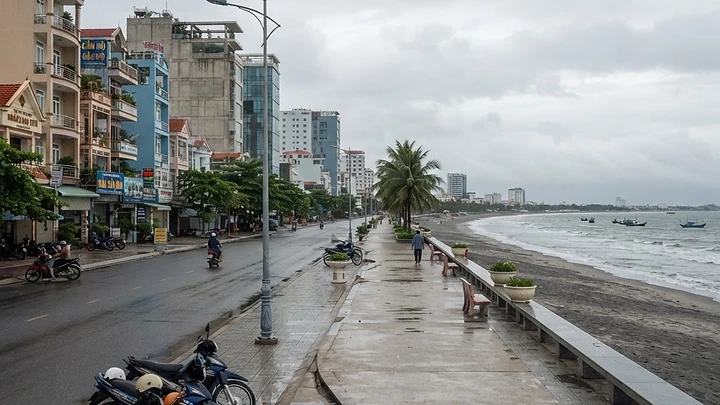
Cheapest Time to Live in Da Nang: Plan Your Move Around the Calendar
The cheapest time to live in Da Nang is the low season, roughly September through January, when tourist demand drops, landlords negotiate, and activity prices soften. As of October 2026, a solo expat who times their arrival well can live comfortably on $700 to $900 per month, compared to $1,000 to $1,300 during peak months. Knowing which costs move with the seasons, and which stay flat, is the real skill.
This guide gives you a practical, month-by-month savings calendar covering rent, food, and activities. For a full static budget breakdown, see Cost of Living in Da Nang 2027: A Realistic Budget for Expats.
Da Nang Cost of Living by Season: The Big Picture
Da Nang has two dominant seasons that shape prices across the board.
- Dry season (February to August): Warm, sunny, and busy. Hotel and short-term rental rates rise, tourist-facing businesses charge peak prices, and availability tightens.
- Wet or low season (September to January): Rainfall increases, beach tourism falls, and the city tilts back toward local life. This is when the best deals appear for expats willing to trade a few grey days for real savings.
The table below gives you a quick orientation before the month-by-month detail.
| Month | Season | Rent Pressure | Short-Stay Rates | Budget Mood | |---|---|---|---|---| | January | Shoulder, dry | Low to medium | Medium | Good value | | February | Peak begins | Rising | Rising | Book early | | March | Peak | High | High | Expensive | | April | Peak | High | High | Expensive | | May | Peak fading | Medium-high | Medium | Acceptable | | June | Summer crowds | Medium-high | High (domestic) | Watch dates | | July | Summer peak | High | Very high | Expensive | | August | Summer peak | High | Very high | Expensive | | September | Low begins | Falling | Low | Best deals start | | October | Low | Low | Low | Best value | | November | Low | Low | Low | Best value | | December | Low, festive end | Low to rising | Rising late | Good value early |
Month-by-Month Savings Calendar
January: Quiet Before the Storm
January sits in a sweet spot. The wet season is winding down, domestic holiday travel has not yet surged, and landlords who did not fill their units over the rainy period are still open to negotiation. Long-term rent for a one-bedroom apartment outside the central beach strip can sit at $300 to $400 per month (as of October 2026, confirm locally). Street food prices are stable year-round, with a bowl of mi quang or bun cha ca running 30,000 to 60,000 VND at local spots.
January tip: Sign a three to six month lease starting in January. You lock in low-season pricing before February demand lifts rates.
February and March: Prices Climb Fast
Tet (Lunar New Year) falls in late January or February, and it reshapes the market overnight. Domestic tourism surges, short-term rentals fill up, and some landlords switch units to nightly platforms for better returns. Expect rent to rise 15 to 25 percent on short-notice listings compared to November. If you are already on a signed lease, none of this affects you, which is exactly why locking in during January makes sense.
April and May: Peak Dry Season
April and May deliver Da Nang's best weather, and prices reflect it. Beachfront and My Khe units can push to $600 to $800 per month for a modest one-bedroom. Western dining in An Thuong stays roughly stable, but popular cafes and restaurants fill up faster, and some add minimum spend rules on busy weekends.
One saving grace: If you stay further from the beach, the premium shrinks. North My Khe is consistently 20 to 30 percent cheaper than the central beach strip for similar apartments.
June, July, and August: Domestic Summer Rush
Vietnamese school holidays bring a wave of domestic family tourists to Da Nang from June through August. This is often overlooked by expats focused on international peak season. Short-term accommodation prices spike again, and activity venues, mini golf courses, beach clubs, and tour operators run at full capacity.
For expats on long-term leases, June to August is actually a decent time to enjoy the city at full energy without paying the short-stay premium. For anyone arriving without a lease, budget significantly more for initial accommodation while you search.
Budget-friendly indoor activities are a smart move during peak heat. Bao Mini Golf & Coffee in Thanh Khe offers affordable family fun at a dollar-sign price point, air-conditioned, and well clear of the beachfront price surge.
September: The Low Season Opens and Deals Appear
September marks the turn. Tourist numbers fall, short-term platforms lower rates to attract bookings, and landlords with empty units become far more negotiable. Rainfall increases, particularly in October and November, but the city stays fully functional and the local restaurant and cafe scene barely skips a beat.
This is the single best month to arrive, negotiate a lease, and set your baseline costs low. A one-bedroom in a good non-beachfront location can drop back to $280 to $380 per month (as of October 2026, confirm locally).
October and November: The Deepest Savings Window
October and November are the heart of the Da Nang low season for expats. Rainfall peaks, beach tourism is minimal, and the city is noticeably quieter. For budget-conscious residents, this translates directly into:
- Lower short-term rent if you need a month-to-month arrangement while searching
- Landlords willing to waive or reduce the standard three-month advance requirement
- Activity operators, cooking classes, and experiences with open slots and occasional promotional pricing
Cooking classes are a genuinely low-cost way to spend rainy afternoons and learn local food at the same time. Options like Da Nang Home Cooking Class and Jolie Cooking Class in An Hai are dollar-sign and double-dollar-sign priced, affordable even on a tight October budget. Apron Up Cooking Class and Danang Summer Cooking and Coffee Class are similarly well-rated and worth booking when the beach is out of the picture.
November tip: If you want the cheapest possible rent, sign your lease in October or November for a six to twelve month term. You will almost certainly pay less than someone who signs in March.
December: Good Value Until the Holiday Week
Early December extends the low-season savings window. The final week of December sees prices creep up again as international Christmas and New Year travelers arrive. Book or lock in your accommodation before mid-December if you want to avoid the short holiday spike.
Da Nang Low Season Expat: What Actually Gets Cheaper?
Not every cost moves with the season. Here is an honest breakdown.
What Drops in Low Season
- Short-term and flexible rentals: The biggest mover. Month-to-month and short-lease rates can fall 20 to 35 percent compared to peak.
- Activity and tour pricing: Operators with empty schedules are more likely to offer discounts or respond to polite negotiation.
- Guesthouses and serviced apartments: These track tourism demand closely and reprice faster than annual lease landlords.
What Stays Roughly the Same
- Street food and local restaurants: Bowl prices at spots like Bun Mam Hong Heo Quay in Hai Chau or Quan Bun Bo Hue Co My in An Hai stay flat year-round. Local food is not priced on tourist demand.
- Grab rides: 30,000 to 70,000 VND for city trips regardless of season (as of October 2026, confirm locally).
- Utilities: Electricity and water bills stay consistent, though air conditioning use falls slightly in cooler months, which can reduce electricity costs by $10 to $20 per month.
- Groceries: Local market and supermarket prices are stable throughout the year.
- Annual lease rent: If you are already on a 12-month lease, your rent does not change with the season.
Da Nang Budget Expat 2027: Sample Monthly Costs by Season
These figures are as of October 2026. Confirm all prices locally before committing.
| Expense | Low Season (Sep to Jan) | Peak Season (Mar to Aug) | |---|---|---| | 1-bed apartment, non-beachfront | $280 to $400 | $450 to $650 | | Utilities (electricity, water, internet) | $70 to $110 | $80 to $120 | | Food (local-heavy diet) | $150 to $250 | $150 to $250 | | Transport (Grab or scooter fuel) | $60 to $90 | $60 to $90 | | Entertainment and activities | $40 to $70 | $50 to $100 | | Single expat total estimate | $600 to $920 | $790 to $1,210 |
The gap is real, and it is driven almost entirely by rent. Food and transport barely shift. This is why the arrival timing strategy matters so much.
For families, the seasonal rent gap widens further because larger units see sharper peak-season premiums. See Cost of Living in Da Nang for Families: 2027 Budget Breakdown for a fuller picture.
Location and Season: Stack Both Savings Together
The most effective budget strategy is to combine low-season timing with a non-beachfront neighborhood. North My Khe or neighborhoods slightly inland run 20 to 30 percent cheaper than the central My Khe strip even in peak season. In low season, those same areas drop further.
For neighborhood-by-neighborhood detail, Best Da Nang Neighborhoods for Expats to Live in 2027 maps out exactly where prices differ and why.
If you want cafe time that does not drain the budget on a quiet November afternoon, Son Tra Viewpoint Cafe and CEN Archery & Coffee are both dollar-sign or near-dollar-sign rated and give you something to do that is not beach-dependent.
Practical Tips for Timing Your Move
- Arrive in September or October with a short-term booking for the first two weeks. Use that time to view apartments in person and negotiate directly with landlords.
- Ask for a local-market price. Listings on English-language platforms are often priced higher than identical units found through local Vietnamese property apps or word of mouth. The gap can be 30 to 50 percent on the same apartment.
- Negotiate the advance payment. The standard ask is three months upfront. In low season, landlords with empty units are more open to one or two months upfront, freeing your cash flow.
- Lock in a 6 to 12 month lease in low season rather than rolling month-to-month through peak. You fix your cost at the lower seasonal rate for the full term.
- Budget for the visa. A 30-day e-visa costs around $25 USD (as of October 2026, confirm with official Vietnamese immigration sources). Factor in extension or visa run costs depending on your nationality and length of stay.
Ready to explore what Da Nang has to offer before you commit to a move date? Browse local businesses, activities, and services across the city at Da Nang Directory.
Quick answers
- What is the cheapest time to live in Da Nang?
- The cheapest time to live in Da Nang is the low season, from September through November, when tourist demand drops and landlords are more open to negotiation. Rent for a one-bedroom apartment can fall 20 to 35 percent compared to the March to May peak. Food and transport costs stay roughly stable year-round.
- How much does rent drop in Da Nang during low season?
- As of October 2026, a non-beachfront one-bedroom apartment can drop from $450 to $650 per month in peak season down to $280 to $400 in low season. The biggest savings come from negotiating a longer lease during September or October, locking in the lower rate before demand returns.
- Is Da Nang affordable for expats year-round?
- Yes, Da Nang is affordable compared to most Southeast Asian cities in every season. Even at peak-season rates, a solo expat can live comfortably on $1,000 to $1,300 per month. Low season brings that down to $600 to $920 per month for someone on a local-market lease and a local food diet.
- Does the rainy season affect daily life for expats in Da Nang?
- The rainy season, peaking in October and November, brings heavier rainfall and limits beach time, but the city stays fully functional. Restaurants, cafes, markets, and co-working spaces operate normally. Many expats find it a productive and affordable period, with quieter streets and better rental deals offsetting the weather.
- Is it better to sign a long-term or short-term lease in Da Nang?
- For budget expats, a six to twelve month lease signed during low season offers the best value. Short-term and month-to-month rentals track tourist demand and can spike in peak months. Landlords typically ask for three months upfront on long leases, though this is sometimes negotiable during the quieter September to November window.
- How does Da Nang compare to Bali for cost of living?
- Da Nang is generally 30 to 50 percent cheaper than Bali across most categories, including accommodation and food. Street food meals in Da Nang regularly cost under $2 USD, and local-market rent is lower than comparable areas in Canggu or Seminyak. The seasonal savings calendar in Da Nang also gives budget expats more flexibility to time their costs.
- What costs stay the same in Da Nang regardless of season?
- Street food prices, Grab ride fares, grocery costs, and annual lease rent all stay relatively flat throughout the year. As of October 2026, a bowl of mi quang costs 30,000 to 50,000 VND and a Grab ride within the city runs 30,000 to 70,000 VND whether it is peak or low season. Confirm all prices locally.
More on Travel Planning
All Travel Planning articles

Han Market Da Nang: The Complete Visitor Guide
Han Market is Da Nang's most tourist-friendly market, packed with dried goods, local coffee, souvenirs, and a full upper floor of fabrics and tailors. This guide covers every floor, fair prices, bargaining tips, and where to eat nearby.


Central Vietnam Itinerary: Da Nang Base for Hue, Hoi An and More
Da Nang sits at the heart of Central Vietnam, putting Hue, Hoi An, My Son and the Hai Van Pass all within easy day-trip distance. This itinerary covers exactly how to do it, with transport times, current prices and insider tips.


Da Nang Map: Districts, Beaches, Bridges and Where Things Are
Understanding the Da Nang map before you arrive saves hours of confusion on the ground. This guide breaks down every district, beach zone, bridge and landmark so you know exactly where things are.