
Food & Drink · 3 min read
How to Navigate Da Nang's Traditional Markets for Fresh Produce and Snacks
Discover how to navigate Da Nang's vibrant traditional markets like a local. Learn where to shop, what to pay, and how to enjoy the best fresh produce and snacks.
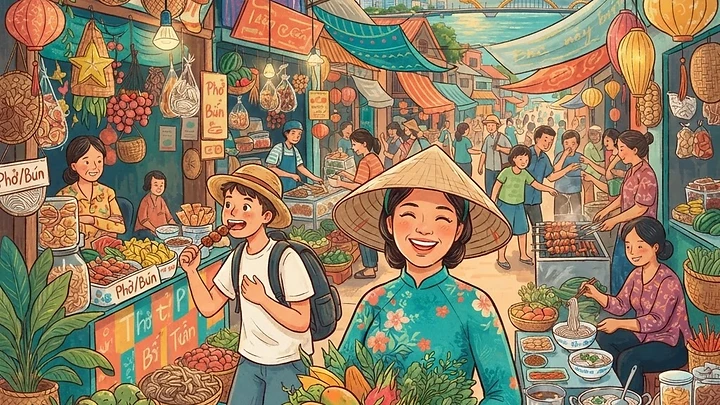
Mastering the Da Nang Market Scene
Navigating Da Nang’s traditional markets is best achieved by arriving early in the morning, carrying small denomination cash, and engaging with vendors using a friendly smile and simple Vietnamese phrases. Whether you are living in An Thuong or visiting My Khe, these hubs are the beating heart of local food culture.
Why Local Markets Beat Supermarkets
While big-box stores like Lotte Mart are convenient, they lack the soul and freshness of neighborhood markets. Traditional markets offer produce delivered directly from the farms of the Central Highlands or the local coast. By shopping here, you support local farmers, reduce plastic packaging, and get the absolute best prices for seasonal tropical fruits, leafy greens, and fresh seafood.
Key Markets to Explore by Neighborhood
- Han Market (Hai Chau): Located in the city center, this is the most famous spot. While it is tourist-heavy, the ground floor remains a treasure trove for local snacks like banh khoai (savory pancakes) and dried seafood.
- Con Market (Hai Chau): This is the foodie capital. If you want authentic street food, head here. It is larger, louder, and more chaotic, but the variety of snacks is unparalleled.
- Bac My An Market (Ngu Hanh Son/An Thuong): The go-to spot for expats and locals near the beach. It is famous for its legendary 'avocado ice cream' (kem bo) and cheap noodle bowls.
- Son Tra Market: A great night market option near the Dragon Bridge, perfect for late-night snacking on grilled skewers and cold drinks.
Practical Tips for First-Timers
Timing is everything. Markets are most vibrant between 6:00 AM and 9:00 AM. If you show up at noon, many vendors will be packing up.
Always carry small change. If you hand a vendor a 500,000 VND note for a 20,000 VND purchase, you might be met with a frustrated sigh. Keep a stash of 10,000, 20,000, and 50,000 VND notes ready.
Understanding the Pricing
Prices are rarely marked, so observation is key. If you see a local paying 15,000 VND for a kilo of bananas, don't be surprised if the price seems slightly higher for you. Generally, expect to pay:
- Fresh Fruit (Dragon fruit, mangoes): 20,000 - 40,000 VND ($0.80 - $1.60) per kg.
- Noodle Soup (Bun/Mi Quang): 25,000 - 35,000 VND ($1.00 - $1.40) per bowl.
- Snacks/Banh Mi: 15,000 - 25,000 VND ($0.60 - $1.00).
If you feel the price is excessive, a polite smile and a friendly 'no' usually result in a quick counter-offer. Remember, you are often haggling over a difference of less than $0.50, keep the atmosphere light and respectful.
Essential Vietnamese Phrases for Shoppers
- Bao nhiêu? (How much?)
- Đắt quá! (Too expensive!)
- Cho tôi... (Give me...)
- Cảm ơn! (Thank you!)
Safety and Etiquette
Watch your bags in crowded aisles, especially at Con Market. Wear comfortable shoes, as floors can be wet from ice used to keep seafood fresh. Most importantly, bring your own reusable bag to help reduce the massive amount of plastic bags typically used at checkout.
Quick answers
- What is the best time to visit Da Nang's markets?
- The best time to visit is early morning, between 6:00 AM and 9:00 AM, when produce is at its freshest.
- Do I need to haggle for food in Da Nang?
- Haggling is common for clothes or souvenirs, but for basic produce, it is often better to accept the fair local price unless the quote seems significantly inflated.
- Is it safe to eat cooked food at these markets?
- Generally, yes; look for stalls that are busy with local customers, as high turnover ensures the food is fresh and safe to eat.
- Should I bring cash or use cards?
- Always bring cash in small denominations (VND), as traditional market stalls do not accept cards or digital payments.
More on Food & Drink
All Food & Drink articles
Da Nang Food Tour: How to Choose, Book and Get the Most from It
A da nang food tour is the fastest way to eat well in the city without guesswork. This guide covers every format, price, dish and insider tip so you can book with confidence.

Da Nang Indian Restaurant Guide: Best Spots by Area and Budget
Finding a great Da Nang Indian restaurant is easier than you think. This guide covers the top venues by area, diet, price, and Michelin recognition.

Hoi An Restaurants: A Food-First Day Trip Guide from Da Nang
Planning to eat your way through Hoi An on a day trip from Da Nang? This guide covers the best Hoi An restaurants for cao lau, banh mi, riverside dinners and more, with prices, timings and insider tips.
 Translate
