
Food & Drink · 9 min read
Vietnamese Coffee Guide: What to Order in Da Nang Cafes
Confused by the menu? This Vietnamese coffee guide explains every classic drink in Da Nang cafes, from ca phe sua da to salt and egg coffee, plus prices and how to order.
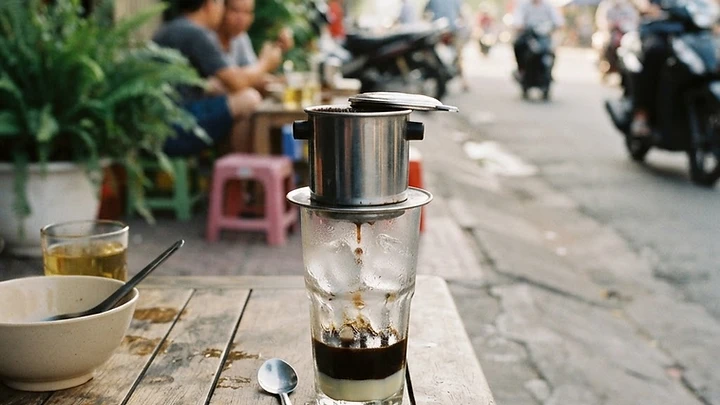
This Vietnamese coffee guide gives you the short answer first: in Da Nang cafes, order ca phe sua da (strong iced coffee with sweet condensed milk) for the classic local taste, ca phe den da if you want it black, bac xiu if you like it milky, and try salt coffee and egg coffee as treats. Most neighborhood cafes charge roughly 20,000 to 45,000 VND per drink as of late 2026, while trendy cafes and chains charge more.
Why does this matter? Coffee is a daily ritual in Vietnam, and Da Nang has a cafe on almost every corner. But menus are often only in Vietnamese, drinks are much stronger than many visitors expect, and the names can be confusing. Knowing what to order means you will enjoy every cup instead of guessing.
Key Takeaways
- Vietnamese coffee is strong. Most local cafes use robusta beans, which have more caffeine and a bolder, more bitter taste than arabica.
- Start with ca phe sua da. Iced coffee with condensed milk is the national favorite and the best first order.
- Salt coffee and egg coffee are specialty drinks. Salt coffee comes from Hue and egg coffee from Hanoi, but both are easy to find in Da Nang.
- Prices are low. Expect roughly 20,000 to 45,000 VND at local spots and more at trendy or specialty cafes, as of late 2026.
- Free iced tea is common. Many local cafes serve a glass of tra da (iced tea) with your coffee.
- Learn three words: sua (milk), da (ice) and it duong (less sugar).
How Vietnamese Coffee Is Different
Vietnam is one of the world's largest coffee producers, and most of what it grows is robusta. Robusta beans generally contain about twice the caffeine of arabica and have a dark, chocolatey, bitter flavor. Many roasters also roast beans very dark, sometimes with butter or other flavors, which gives Vietnamese coffee its bold taste.
The phin filter
The classic way to make coffee in Vietnam is the phin, a small metal drip filter that sits on top of your cup or glass. Hot water drips slowly through the grounds, which takes a few minutes. At traditional cafes, it may arrive still dripping. Just wait until it finishes, then stir and pour over ice if you ordered it iced.
Many busy cafes now brew large batches or use espresso machines instead, which is faster. Both are normal, and both taste good.
Why condensed milk?
Fresh milk was hard to find and store in Vietnam's hot climate in the past, so sweet condensed milk became the standard. Its thick sweetness balances the bitter robusta perfectly. Today it is simply part of the taste.
Vietnamese Coffee Guide: The Classic Menu
Here are the drinks you will see on almost every Da Nang cafe menu, the core of any Vietnamese coffee guide. Vietnamese menus often drop the accent marks in English, so we show the plain spelling.
Ca phe sua da (iced milk coffee)
This is the one to try first. Strong coffee mixed with sweet condensed milk, poured over a glass of ice. It is creamy, sweet, strong and very refreshing on a hot day. In the north it is often called ca phe nau da, so you may see both names.
Ca phe den da (iced black coffee)
Strong black coffee over ice, usually with some sugar added. If you want no sugar, say "khong duong". Ask for "it duong" for less sugar. This is a great choice if you find milk coffee too sweet.
Ca phe sua nong or ca phe den nong (hot coffee)
The same drinks served hot. Locals drink hot coffee more in the cooler months and early mornings.
Bac xiu (milk with a splash of coffee)
Bac xiu is a southern favorite with much more milk than coffee. It is sweet, mild and perfect if you want a gentle coffee or are sensitive to caffeine.
Tra da (iced tea)
Not coffee, but worth knowing. Many traditional cafes give you a free glass of light iced tea alongside your coffee. Locals sip it after the coffee to cleanse the palate. Some places charge a few thousand dong if you order it alone.
Specialty Drinks: Salt Coffee, Egg Coffee and More
Da Nang's cafe scene is creative, and these drinks have become favorites with both locals and visitors.
Salt coffee in Da Nang (ca phe muoi)
Salt coffee was created in Hue around 2010 and spread across Vietnam. It is strong coffee with condensed milk, topped with a thick, lightly salted cream. The salt does not make it taste salty. Instead, it softens the bitterness and makes the coffee taste richer, a bit like salted caramel.
Because Hue is only a few hours from Da Nang, salt coffee is now widely available across the city, from small local shops to bigger cafes. Quality varies a lot, so search "ca phe muoi" on Google Maps and pick a busy, well-reviewed spot, or check our directory listings. Stir it well before drinking, or sip it slowly through the cream for a layered taste.
Egg coffee in Da Nang (ca phe trung)
Egg coffee is a Hanoi classic that dates back to the 1940s. Egg yolks are whipped with sugar and condensed milk into a thick, sweet cream and spooned over strong coffee. It tastes like a coffee dessert, rich and almost like tiramisu.
Egg coffee is less common in Da Nang than in Hanoi, but many cafes serve it, especially in tourist areas and Hoi An. It is usually served hot in a small cup sitting in a bowl of warm water to keep it warm. Eat the cream with a spoon, then drink the coffee underneath.
Coconut coffee (ca phe cot dua)
Strong coffee poured over a slushy blend of coconut milk, condensed milk and ice. It is thick, sweet, cold and tropical. Cong Caphe, a well-known Vietnamese chain, made this drink famous with travelers, and you will find versions of it in many Da Nang cafes.
Yogurt coffee (sua chua ca phe)
Vietnamese yogurt topped with a shot of strong coffee. It sounds strange, but the sour, sweet and bitter mix works surprisingly well. Look for it in local cafes and dessert shops.
Specialty arabica, pour-over and cold brew
Da Nang also has a growing specialty coffee scene with single-origin beans, pour-over, espresso drinks and cold brew. Some cafes use Vietnamese arabica from the Central Highlands. Expect higher prices at these cafes, often similar to specialty coffee prices in other countries.
How Much Does Coffee Cost in Da Nang?
Here are typical price ranges as of late 2026. These are approximate and change by area and cafe, so check the menu before ordering.
- Neighborhood and sidewalk cafes: roughly 20,000 to 45,000 VND for classic coffee drinks.
- Salt coffee and egg coffee: roughly 30,000 to 60,000 VND in most cafes.
- Coconut coffee: roughly 45,000 to 70,000 VND.
- Chains and trendy cafes: often 45,000 to 80,000 VND or more.
- Specialty coffee shops: higher, depending on the beans and brew method.
Most local cafes take cash. Many bigger cafes accept cards and QR payments. Read our guide to money in Da Nang for tips on cash, cards and tipping.
How to Order Coffee in Vietnamese
A few words go a long way, and staff usually appreciate the effort. Here are the most useful phrases, written without tone marks so they are easy to read.
- Cho toi mot ly ca phe sua da. One iced milk coffee, please.
- Ca phe den, it duong. Black coffee, less sugar.
- Khong duong. No sugar.
- Khong da. No ice.
- Mang di. Takeaway.
- Uong o day. To drink here.
- Bao nhieu tien? How much is it?
- Cam on. Thank you.
Pointing at the menu or showing a photo works perfectly too. For more phrases, see our guide to useful Vietnamese phrases.
How ordering usually works
- Sit down first at traditional cafes. Staff will come to your table.
- Order at the counter at chains and modern cafes, then take a number or wait for your name.
- Pay at the end at most traditional cafes, usually at the counter or when staff come back.
- Low plastic stools are normal. Sitting close to the street like locals do is part of the experience.
Cafe Culture in Da Nang
No Vietnamese coffee guide is complete without the culture around the cup. Coffee in Da Nang is not grab-and-go. It is a social habit and an all-day ritual.
- Early mornings are busy. Many local cafes open around 6am, and workers stop for coffee before their day.
- Cafes are workspaces. Plenty of cafes have Wi-Fi and power outlets, and remote workers settle in for hours. Our Resources page lists coworking options too.
- Afternoons are for relaxing. In the heat of the day, people sit in shady cafes, chat and scroll their phones.
- Views matter. Cafes along the Han River, near the beach and on rooftops are popular at sunset.
Big Coffee Chains You Will See
You will spot several Vietnamese chains around the city. They are reliable, have air conditioning and often stay open when small cafes close.
- Highlands Coffee: one of the biggest Vietnamese chains, with classic Vietnamese drinks and Western options.
- Cong Caphe: famous for its retro style and coconut coffee.
- Trung Nguyen Legend: a well-known Vietnamese coffee brand with cafes and packaged coffee.
Chains are great for a guaranteed experience, but we always encourage you to try at least one small local cafe too.
Buying Vietnamese Coffee to Take Home
Vietnamese coffee makes a great souvenir. A few tips:
- Buy a phin filter. They are cheap and light, and they let you recreate the drink at home.
- Choose whole beans or ground coffee from a busy shop or market. Ask for robusta for the classic taste, or a robusta and arabica blend for something smoother.
- Be careful with "weasel coffee." Coffee sold as civet or weasel coffee is often expensive, can be fake or flavored, and raises animal welfare concerns. We suggest skipping it.
- Grab a can of condensed milk if you cannot find it at home.
For more shopping ideas, see our souvenir guide.
Mistakes to Avoid
- Ordering a large coffee late at night. Robusta is strong. If you are sensitive to caffeine, try bac xiu or stop by early afternoon.
- Drinking it too fast. Vietnamese coffee is meant to be sipped slowly over ice.
- Not stirring. Condensed milk sinks. Stir well before you drink.
- Expecting Western-style lattes everywhere. Local cafes focus on Vietnamese drinks. Head to specialty cafes for espresso drinks.
- Skipping local cafes. Some of the best coffee in Da Nang is served on a tiny stool by the street.
Start with ca phe sua da, try salt coffee once, sip slowly, and you will understand why Vietnamese coffee has fans around the world.
Find Your Favorite Cafe in Da Nang
The best way to use this Vietnamese coffee guide is to get out and taste. Browse cafes on our Explore page, check the map for spots near your hotel and save the ones you want to try. Then pull up a small stool, order a ca phe sua da and watch the city go by.
Quick answers
- What is the most popular coffee in Vietnam?
- Ca phe sua da, strong iced coffee with sweet condensed milk, is the national favorite. It is the best first coffee to try in Da Nang.
- Where can I find salt coffee in Da Nang?
- Salt coffee is widely available in Da Nang, from small local shops to bigger cafes. Search "ca phe muoi" on a map app or browse our directory, and pick a busy, well-reviewed spot.
- Is there egg coffee in Da Nang?
- Yes. Egg coffee is a Hanoi specialty, but many Da Nang and Hoi An cafes serve it, often hot in a small cup set in warm water.
- Why is Vietnamese coffee so strong?
- Most Vietnamese coffee uses robusta beans, which generally have about twice the caffeine of arabica, and it is often roasted very dark. It is also brewed strong and in small amounts.
- How much does a coffee cost in Da Nang?
- As of late 2026, classic coffee at neighborhood cafes usually costs roughly 20,000 to 45,000 VND, while trendy cafes and chains charge more. Prices vary, so check the menu.
- What is bac xiu?
- Bac xiu is a milky Vietnamese coffee with much more milk than coffee. It is sweet and mild, great for people who want less caffeine.
More on Food & Drink
All Food & Drink articles

Hoi An Restaurants: A Food-First Day Trip Guide from Da Nang
Planning to eat your way through Hoi An on a day trip from Da Nang? This guide covers the best Hoi An restaurants for cao lau, banh mi, riverside dinners and more, with prices, timings and insider tips.

Con Market Da Nang: Food, Shopping, Prices and Tips
Con Market (Cho Con) is Da Nang's largest and most authentic traditional market, packed with local street food, fresh produce, spices, and everyday goods at local prices. Here is everything you need to know before you visit.

Late Night Dining in Da Nang: Where to Eat After Midnight
Hungry after a late flight or a night out? Discover the best spots for late-night eats in Da Nang, from steaming bowls of pho to sweet midnight treats.
 Translate
